The New CBSE Third Language Rule Explained
Why CBSE is introducing three languages from Class 6 and what it means for parents (3 min read)
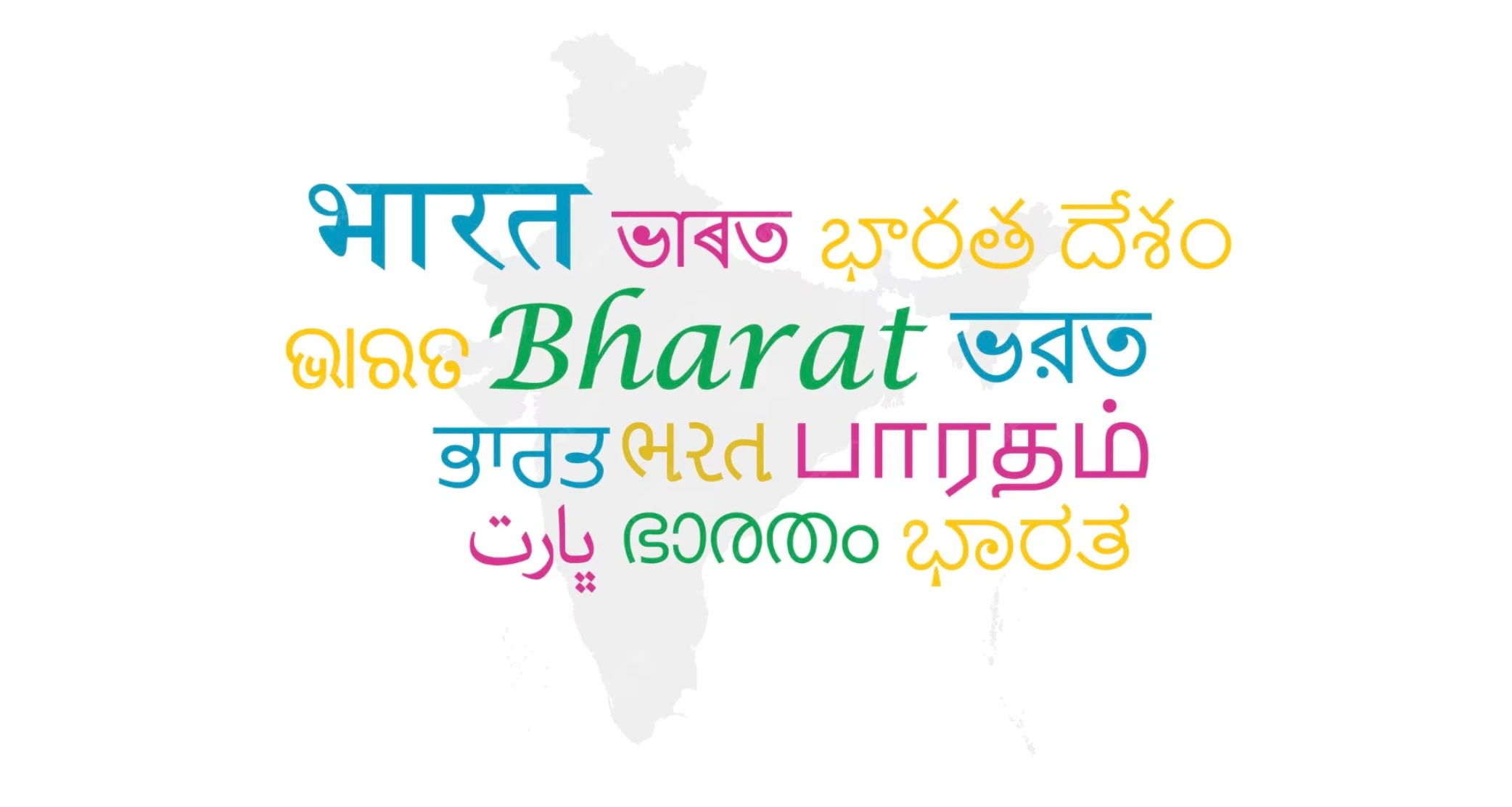
You may have recently seen news about CBSE introducing a new third-language rule starting from the 2026-27 academic year. For many parents, this immediately raises questions:
- Will my child now have to learn three languages?
- Is Hindi becoming compulsory everywhere?
- How will this affect board exams?
This change aligns the CBSE curriculum with India’s National Education Policy (NEP) 2020, which places a stronger emphasis on multilingual learning.
1. What the New Rule Says
Starting in 2026–27, CBSE is set to implement a formal three-language structure beginning in Class 6. Under this framework:
- The "Two-Indian" Mandate: At least two of the three languages must be native to India (e.g., Kannada, Hindi, Sanskrit, Bengali).
- English as a "Foreign" Language: In a significant shift, English is now categorized as a "foreign" language under this framework.
- The Three-Slot Structure: If a school offers English, it counts as the one permitted "foreign" language slot. This means students must still pick two other Indian languages to complete their trio.
To support this transition, CBSE is preparing learning material for nine languages specifically for the 2026-27 academic session. This initial rollout is supposed to include Tamil, Telugu, Malayalam, Kannada, Gujarati, and Bangla, among others.
2. How this changes the current setup
Currently, many students take a combination, lets say, English + Hindi + French. Under the new rules, this might no longer be possible because it only includes one Indian language. A future combination would need to look more like this:
- English (Foreign Language Slot)
- A Regional Language (e.g., Kannada or Tamil)
- Another Indian Language (e.g., Hindi or Sanskrit)
3. Why CBSE is Making This Change
The goal is to help children become truly multilingual. Supporters of the policy say it can:
- Strengthen foundational language skills and brain development.
- Expose children to different Indian cultures.
- Build a stronger sense of national identity and cultural connection.
However, many parents remain concerned about the additional academic load this may place on middle school students.
4. Will This Apply to All CBSE Schools?
Yes, all CBSE-affiliated schools are expected to follow this framework. However, schools still have flexibility in:
- Which specific Indian languages they offer based on their teachers and regional demand.
- How the third language is assessed in Classes 6 through 8.
Looking ahead to Boards: The National Curriculum Framework recommends that all three languages continue through Classes 9 and 10. This means by 2031, students appearing for their Class 10 Board exams may be required to write a paper for their third language as well.
5. What Parents Should Ask Schools
Instead of worrying about the policy itself, focus on how your school plans to implement it. Useful questions include:
- Which language "trios" will the school offer for the 2026-27 session?
- Since CBSE is providing materials for languages like Kannada and Bangla, will the school be hiring specialized teachers for these?
- Will foreign languages like French or German still be available as an elective?
6. Haloparent’s Take
The goal behind the third language rule makes sense: help children grow comfortable in a multilingual country like India. But for parents choosing schools today, what matters most is how each school implements the policy in practice.
And if you're trying to understand how a school actually handles language learning day to day, hearing from other parents who’ve experienced it can make the decision much clearer.
That’s the kind of insight parents would want to share with each other on Haloparent.
If you’re comparing a few schools right now, it can help to see what other parents are saying. Explore the conversations on Haloparent - and if you found this article useful, do share it with other parents who might benefit from it.